 Reviews

 Proudly American
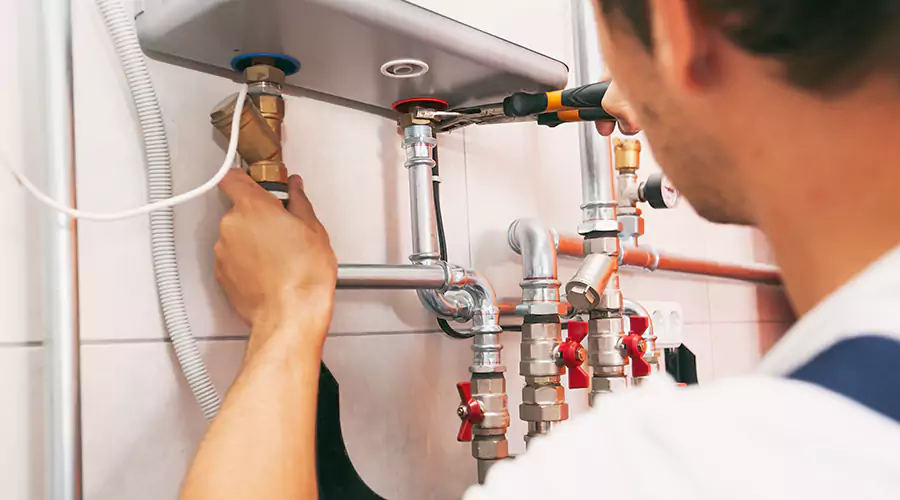
Sediment buildup is a common yet often overlooked problem in residential plumbing systems. Over time, minerals like calcium, magnesium, and other deposits settle in water heaters and pipes, reducing efficiency, accelerating corrosion, and potentially causing costly repairs. For homeowners, understanding the effects of sediment accumulation and implementing preventive measures is crucial to maintaining a safe, reliable, and energy-efficient plumbing system.
This guide explores how sediment affects water heaters and pipes, warning signs to watch for, and practical steps to prevent damage.
What Causes Sediment Buildup
Sediment primarily forms due to hard water, which contains high concentrations of minerals. Additional factors contribute to the accumulation of these deposits, including:
- Local water hardness: Homes in areas with high mineral content are more susceptible to sediment accumulation.
- Aging plumbing systems: Older water heaters and pipes are more prone to mineral buildup.
- Lack of maintenance: Neglecting regular flushing of water heaters allows sediment to settle at the bottom of tanks.
- Mineral deposits in pipes: Copper, PVC, or PEX water pipe installations can gradually become restricted or corroded as sediment collects.
Over time, these minerals can significantly impact both the efficiency and longevity of your plumbing system.
Effects of Sediment Buildup on Water Heaters
Sediment accumulation inside a water heater tank has several detrimental effects:
Reduced Heating Efficiency
Mineral deposits form a layer at the bottom of the tank, insulating the heating element from water. This causes the heater to work harder, consuming more energy to reach the desired temperature. Higher utility bills often accompany this reduced efficiency.
Strange Noises
Rumbling, popping, or crackling sounds are common when water trapped beneath sediment boils. These noises indicate that the tank is accumulating minerals that require flushing.
Shortened Lifespan
Sediment causes overheating of the tank’s interior, promoting corrosion. Over time, this accelerates wear and reduces the overall lifespan of the water heater, leading to premature replacement.
Leaks and Corrosion
Mineral deposits can corrode the tank bottom and water pipe connections. Leaks may form, causing water damage to surrounding areas and costly repair bills.
Effects of Sediment Buildup on Pipes
Sediment doesn’t just affect water heaters—it can also harm the broader plumbing system:
Reduced Water Flow
Accumulated minerals can narrow the internal diameter of pipes, restricting water flow to faucets, showers, and appliances.
Increased Pressure on Plumbing
Sediment buildup increases internal pressure in copper or PVC water pipe installations. This added stress can strain joints and valves, eventually leading to leaks or even pipe bursts.
Clogged Fixtures
Aerators, showerheads, and valves may accumulate mineral deposits, slowing water flow and reducing efficiency.
Accelerated Corrosion
Minerals in sediment can react chemically with metal pipes, accelerating rust and decay. Over time, this can compromise the integrity of your plumbing system.
Warning Signs of Sediment Buildup
Homeowners should be vigilant for these indicators:
- Rumbling, popping, or crackling noises in water heaters
- Discolored, cloudy, or metallic-tasting water
- Reduced hot water supply or inconsistent temperature
- Lower water pressure in faucets and showers
- Frequent maintenance or replacement of appliances due to mineral damage
Recognizing these signs early allows for timely intervention, preventing further damage and costly repairs.
Preventive Measures
Proactive steps can minimize the impact of sediment buildup:
Flush Water Heaters Regularly
Draining and flushing the tank annually removes accumulated minerals, restoring heating efficiency and extending the lifespan of the water heater.
Install Water Softeners
Water softeners reduce hardness in your home’s supply, preventing mineral accumulation in water heaters and pipes. This protects copper, PVC, or PEX water pipe installations from sediment-related problems.
Inspect and Clean Pipes and Fixtures
Periodically check faucets, showerheads, and valves for mineral buildup. Professional plumbers can clean or replace affected pipe sections, ensuring proper water flow and preventing corrosion.
Schedule Professional Maintenance
Licensed plumbers can assess both water heaters and plumbing systems for sediment-related issues. Routine professional maintenance prevents damage, ensures energy efficiency, and maintains the reliability of your home’s plumbing.
Why Professional Plumbing Services Are Important
Professional plumbing services offer expertise and equipment that homeowners often lack:
- Thorough flushing and maintenance of water heaters to remove sediment
- Inspection and cleaning of water pipe installations to prevent pipe damage
- Recommendations for water treatment solutions, such as softeners or filters
- Early detection of corrosion, leaks, or pipe damage before problems escalate
Regular professional care helps maintain water quality, reduce energy costs, and extend the lifespan of water heaters and plumbing systems.
Conclusion
Sediment buildup is a hidden but serious threat to both water heaters and pipes. It reduces heating efficiency, causes unusual noises, accelerates corrosion, and can lead to leaks or pipe damage.
Homeowners can prevent these issues by flushing water heaters regularly, installing water softeners, inspecting and maintaining pipes and fixtures, and scheduling professional plumbing maintenance. Taking proactive steps today ensures consistent, safe, and efficient water flow throughout your home while protecting your plumbing system from costly damage.
Invest in preventive maintenance to safeguard your plumbing, extend the life of your appliances, and maintain reliable, clean water for your family.